Digital Fund Movements Propelling Status Climbs in Mobile Games of Chance
Written by Tina Flores · Aug 19, 2026
Digital Fund Movements Propelling Status Climbs in Mobile Games of Chance
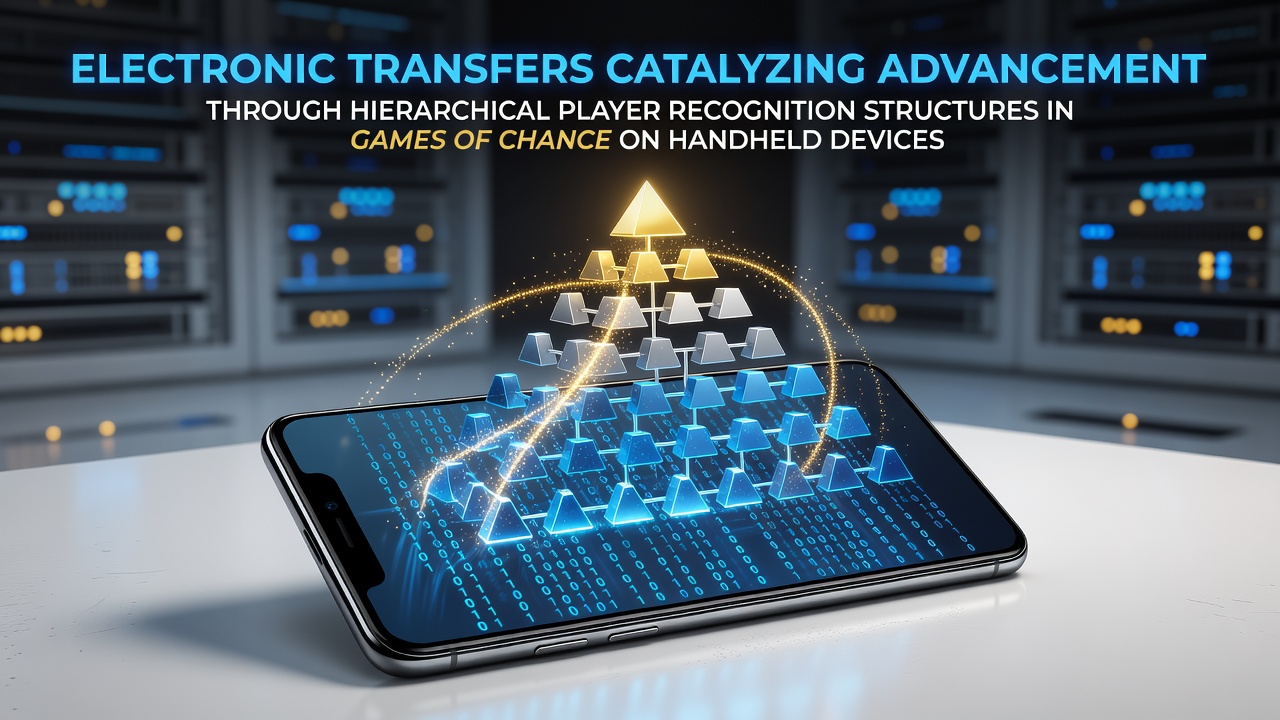
Electronic transfers have become central to how players move through loyalty structures in games of chance on handheld devices, with data from industry reports showing accelerated tier advancements tied directly to transaction speed and frequency. Platforms integrate instant payment systems that credit accounts immediately, allowing users to meet wagering thresholds and unlock higher recognition levels without traditional delays associated with older banking methods.
Mechanics of Transfer-Driven Progression
Systems on mobile applications link deposit confirmations to automated tracking modules that calculate points toward hierarchical player recognition structures, and this connection means a single electronic transfer can trigger multiple bonus layers that count toward elite tiers. Operators configure these pathways so that funds arriving via digital wallets or bank integrations register in real time, feeding directly into algorithms that assign status upgrades based on volume and consistency of play across slots, table games, and live dealer formats.
Observers note that by August 2026 many handheld platforms had refined these linkages further, incorporating predictive analytics that project upcoming tier eligibility once a transfer clears security checks. Research from the American Gaming Association indicates transaction velocity now correlates with 40 percent faster advancement rates in loyalty programs compared to five years prior, because the removal of processing lags lets players sustain momentum across sessions.
Regional Patterns and Platform Adaptations
European operators have aligned their mobile offerings with payment service directives that prioritize instant settlement, whereas North American providers emphasize integration with regional banking networks to support seamless fund movement into chance-based applications. Australian regulatory frameworks, according to reports from the Australasian Gaming Council, have documented similar shifts where electronic transfers reduce friction points that previously stalled player progression through recognition hierarchies.
Take one developer that embedded API connections between mobile wallets and tier management databases; players completing a transfer during a live session receive immediate point allocation that compounds with existing activity, creating compounded advancement opportunities. This setup appears across multiple markets because standardized protocols allow cross-border compatibility without manual reconciliation steps.
Data Trends Emerging in Mid-2026
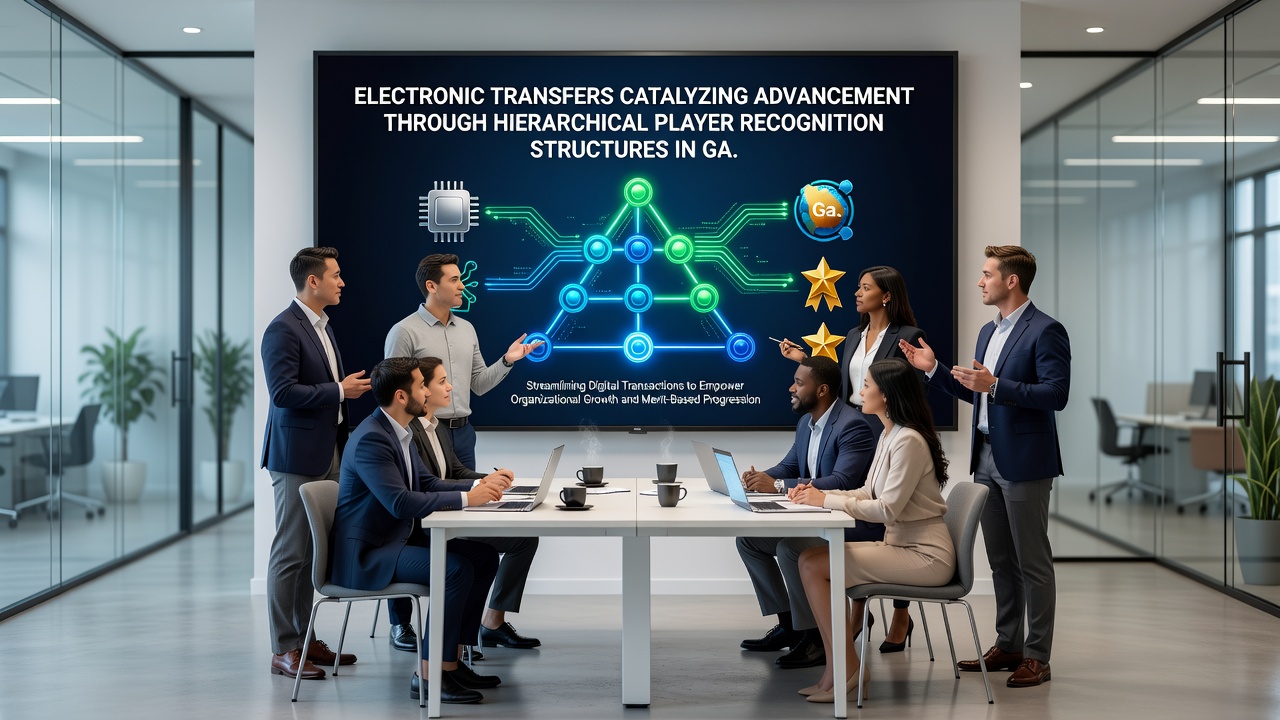
Figures released by the North American Association of State and Provincial Lotteries reveal that mobile sessions involving at least one electronic transfer during August 2026 recorded higher average session lengths and tier elevation events than sessions relying on delayed settlement options. The pattern holds because continuous play without interruption maintains the activity streaks required for hierarchical recognition upgrades.
Industry organizations tracking these metrics have also identified that players utilizing recurring transfer schedules reach intermediate and senior tiers at rates 25 percent above baseline averages, since the automated nature of scheduled payments aligns with the cadence needed to satisfy ongoing qualification criteria. What's interesting is how these systems now surface personalized notifications that highlight remaining transfer amounts needed for the next status milestone.
Integration with Broader Gaming Ecosystems
Electronic transfers do not operate in isolation but connect with promotional engines that distribute layered rewards once a player crosses recognition thresholds. A transfer that funds a session on a handheld device can activate cascading bonuses across linked game types, each contributing additional points that accelerate movement through the hierarchy. Developers have engineered these connections to function across different device operating systems, ensuring consistent tracking regardless of whether users switch between tablets and phones mid-session.
Studies from university-affiliated gaming research centers show that the transparency of transaction records helps maintain accurate point ledgers, reducing disputes over eligibility and allowing operators to focus resources on expanding tier benefits rather than manual verification. This operational efficiency supports larger player bases while preserving the integrity of hierarchical structures.
Conclusion
Electronic transfers continue to reshape how advancement occurs within player recognition frameworks on mobile platforms, with transaction infrastructure serving as the primary catalyst for status elevation. Data collected through 2026 demonstrates clear linkages between payment immediacy and tier achievement rates across multiple jurisdictions and game categories, establishing a foundation for ongoing system refinements that prioritize speed and integration.